Africa was shockingly expensive. We expected that the touristy activities would be expensive but we underestimated the degree to this expense. True, eating in Africa can be cheap, lodging too, but that’s about where the cheapness ends. We definitely could have spent less here, but we wanted to do the “big” Africa things: safari, Kilimanjaro, mountain gorillas.
 A reminder of how all this works. Every dollar amount represents how much the two of us, combined, spent on the average day in a given country. Airfare to and from the continent (very expensive to get to Africa) is included in transportation in the totals line and aren’t applied to any specific country. As always, visa fees are included in miscellaneous. For more information visit our spending page.
A couple of generalizations about Africa before we go into detail about each country. Most people in Africa do not travel long distances, that means transportation exists only for people of means and people with money. In most cases the buses we paid for in Africa cost more money than their counterparts in Latin America but were less comfortable, more crowded, and more commonly broken down. The roads were awful meaning more trips to go shorter distances and very few routes had service available at night. Then the expensive fees (Park entrances mostly; to see wild game and hike Kilimanjaro for example) are extremely high….These fees basically annihilated any sense of “budget” we had for Tanzania and Uganda. Visas also add up, we spent $645 each in visas.
 South Africa: We rented a car and took that through the entire country, Swaziland, Lesotho, and even Namibia. Having a car did increase our transportation costs but seeing as we traveled 12,000 kilometers (7,500 miles) I still think the expensive car worked out to be far cheaper than public transportation would have worked out to be. Additionally the backpacker friendly Bazz-Bus would have been even more expensive and greatly restricted where we could go. Having a car also allowed us to carry a tent and our own food, drastically reducing our lodging and food costs. Even still this was not a cheap country and prices felt very similar to prices back in the US. Internet was also expensive but the presence of a domestic middle class who enjoys their own national parks just as much as the foreigners means that those parks, and all our activities are that much cheaper.
 Mozambique: We went here for one reason….to hide from the hoards of X-mas while soaking up rays of sunshine on a nice beach. We went there, stayed put, and even managed to hitch a ride back with some South African’s we met while there. Scuba diving did us in on the overall budget but most everything else was pricey on account of our location on a tourist beach. The expensive visas to enter didn’t help the budget either.
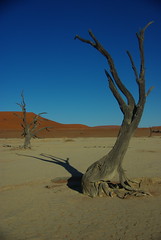 Namibia: Namibia was expensive because we spent the better part of every day in the car, driving and burning gasoline, and then sleeping in National Parks. On one park, Etosha, camping with our own tent cost about $55….quite absurd by our standards. This was an extremely expensive country to travel in with huge fees at the attraction you’ve already driven hundreds of miles to see. Even still, having our own car saved money and our little 2 wheel drive car handled the dirt and shale roads without a problem.
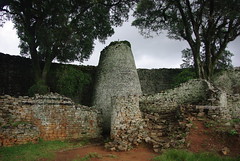 Zimbabwe: We managed to Couchsurf here in two of the four places we visited, joining our host and friends for a trip to Great Zimbabwe and traveling to Victoria Falls on our own. Traveling and staying with CSers helped our budget out immensely, especially with lodging. https://ishouldlogoff.wpengine.com/wp-admin/plugin-install.phpTransportation was still high where it was on our own, quite high actually, but it was quick and efficient when the police weren’t looking for bribes. Fees at Victoria Falls were significant but not awful. Our largest expense here was the purchase and shipment of beautiful soapstone artwork that was pulverized before reaching the US. 🙁
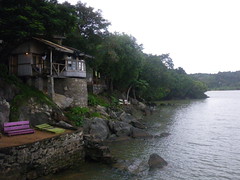 Malawi: Super cheap country and the only expensive thing here was the Scuba we did in the crystal clear waters of Lake Malawi. We had a great time here and really enjoyed the chance to relax a bit. The reason miscellaneous is high is that we had to cross through Mozambique to get to Malawi from Zimbabwe and needed to purchase new visas; we applied those fees to Malawi rather than Mozambique.
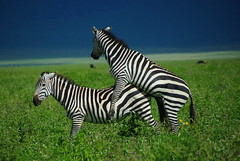 Tanzania: Everything here is low except for activities. While on Safari and while climbing Kilimanjaro 100% of our food, lodging and transportation were covered in the overall fee for these activities. The true cost driver of these things were the park entrances (about $700 each just to climb the mountain in fees) so they throw our averages off a good bit. If we ignore the $100 visa fees and these activities we are closer to $90 per day, still high but in line with the rest of Africa.
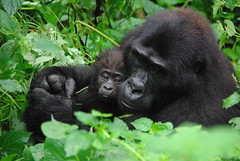 Uganda: Seeing the Mountain Gorillas is an expensive activity, period. (At least the gorilla pictures and videos are cool)You have to pay $500 per person just to see them and then because you have to book that permit with an agency you need to either pay their fees on top of that or buy their transportation package…due to a series of events we ultimately had to do both of those things. The rest of the country is super cheap though, one of the cheapest places we’ve been to and still a pleasure to travel in. Bummer that the waters of the White Nile are due to be dammed and there won’t be any more Ugandan whitewater in the future.
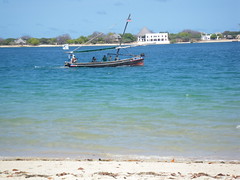 Kenya: Things could have been cheaper here but trying to keep to a schedule, treating ourselves nicely on the island of Lamu, and taking advantage of the presence of my cousin who could fly home from Nairobi with gobs of souvenirs led to us spending far more than necessary. There really isn’t anything wrong with any of that though… At least the corruption makes for a nice travel story.
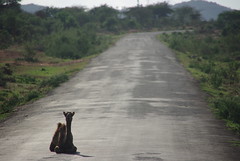 Ethiopia: This is a very poor and a very cheap country. There is a reason it features prominently in hunger porn commercials and South Park jokes. We treated ourselves nicely while staying in Addis Ababa and even still this was our cheapest country of the entire trip thus far. Traveling in the backseat of an overland car rather than paying for buses probably contributed a bit to low transportation costs but not as much as moving slowly and relaxing a bit while waiting for visas to be processed.
 Sudan: This is a cheap country, cheaper to travel here than in Ethiopia. We spent ten days and spent $88/day, that means $880 for the whole ten days. Five-hundred of that was paid to the government for visa fees and foreign alien registration. That means it really cost us about $38/day for two people. Everything was very cheap and Sudan had the cheapest gasoline we’d seen anywhere until we entered Egypt. A very filling meal could be had for two for less than one dollar but that didn’t stop us for cooking for ourselves when we were bush-camping in the desert. Traveling with over-landers allowed us to do this and this country would have been a good deal more difficult without our friends in Kaspuur, the landy from London.
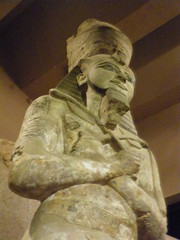 Egypt: We expected mass tourism and we absolutely found it here but were quite surprised at how budget friendly Egypt was. The sites were not outrageously priced to begin with but then we were given a 50% discount on pretty much everything thanks to our ISIC cards
. Comfortable lodging was cheap, private, and generally included breakfast. Had we taken the train from Luxor to Cairo this would have been more expensive than driving but it would have saved two days of travel, one night of lodging, and a very annoying police escort. There is a lot to do in Egypt and truly something for everyone and ever budget. Seeing the pyramids and then climbing Mt. Sinai were absolute highlights. We passed on the beaches and diving of Dahab because we really didn’t feel like beach time.
Jordan: This isn’t really Africa but we’ve grouped it in here as part of the ‘Levant.’ It was an expensive place and we made it worse by paying for expensive transport to save a couple of days getting between the border and Petra. Additionally, the boat to Jordan from Egypt was not a cheap excursion. This was our 29th country and the first where a unit of currency was worth more than one US dollar.
Israel: Just like Jordan, this is a super expensive place and really is not backpacker friendly. We spent 100% of our time visiting with friends and staying with them as well so our price figures really aren’t worthwhile to anyone traveling there independently. If you do plan to travel here with a backpack be prepared to pay prices that would be considered average to high in Western Europe or the USA.

 People often ask us how we manage our money while we’re abroad. Do we just use cash, can we use credit cards, how much do we pay in fees, etc. Although we have a nice little page (ishouldlogoff.com/finance) devoted to how we do this, there are a couple of things left unsaid on that page.
Recent Comments