• Home
  • About
    • Who We are
    • Affiliates
    • Disclosures & Guidelines
    • FAQs
    • Privacy Notice
  • Funding Your Travels
    • Banking on the Road
    • Credit Cards in Our Wallet
    • Spending
  • Contact
    • Media
    • Submission Guidelines
    • Partnership Opportunities

i should log off

log off and live!

  • Travel & Planning
    • Travel Reflections
      • Good, Bad & Ugly
      • Re-Entry
    • Travel Resources
      • Travel Tips
      • Travel Bloggers
    • Reviews
      • Gear
      • Operators
      • Travel Clothing
    • Travel Gear
      • Cameras
      • Danny’s Clothes
      • Electronics
      • Health & Hygiene
      • Jillian’s Clothes
      • General Gear
  • Destinations
    • Travel Guides
    • Africa
      • Egypt
      • Ethiopia
      • Lesotho
      • Kenya
      • Malawi
      • Morocco
      • Mozambique
      • Namibia
      • South Africa
      • Sudan
      • Swaziland
      • Tanzania
      • Uganda
      • Zimbabwe
    • Asia & Oceania
      • Armenia
      • Cambodia
      • China
      • Georgia
      • India
      • Kazakhstan
      • Laos
      • Thailand
      • Turkey
      • Uzbekistan
      • Vietnam
    • Caribbean
      • Antigua
      • Cuba
      • Jamaica
    • Central America
      • Belize
      • Costa Rica
      • Guatemala
      • Honduras
      • Nicaragua
      • Panama
    • Europe
      • Armenia
      • Austria
      • Belgium
      • Czech Republic
      • France
      • Georgia
      • Germany
      • Hungary
      • Italy
      • Spain
      • Turkey
    • North America
      • Canada
      • Mexico
      • USA
    • Middle East
      • Egypt
      • Israel
      • Jordan
      • Oman
      • Turkey
    • South America
      • Argentina
      • Brazil
      • Bolivia
      • Chile
      • Colombia
      • Ecuador
      • Peru
      • Uruguay
  • Weekend Adventures
    • Cycle
      • Pastimes
        • Beer & Wine
        • Books
        • Cooking
        • History & Culture
    • Dive & Snorkel
    • Hike
    • Trek
    • Whitewater
  • Photos
    • Photo of the Day
  • Family Travel
You are here: Home / Archives for Featured

Country Guide: Egypt

June 27, 2010 By Danny

Egypt may be a touristy place but it is also extremely backpacker friendly with a rather large selection of budget accommodation options in all major tourist spots as well as 50% student discounts at most attractions with a student ID, including an ISIC card.
Transportation: Getting up and down the Nile is best done by overnight train. Egyptian security conditions, or at least the Egyptian Government’s opinion of those conditions, is always changing meaning that other options may or may not be available. For planning purposes best to expect to use one of the more expensive trains to travel between Cairo, Luxor and Aswan. Sinai is connected to Cairo by daily bus service.

Aswan: Aswan does not hold the same ‘must see’ status that Luxor does. If you have extra time by all means it is worth including as it does hold some fantastic sites but if you’re a bit short then you won’t miss out too much. The Temple of Isis is truly magnificent, if not completely rebuilt in the modern era, and the region is covered with various Nubian artifacts and restored temples from when Nubia was downed under the rising waters of Lake Nasser. A trip to Abu Simbel could be a way to top off any trip to Aswan, and might even be your entire reason for going, but choose wisely as most trips depart Aswan at 3am, leaving you a bit tired for your big tour. Get to Aswan from Cairo via either overnight train or a short flight. Transportation options to Luxor will likely include either bus or train; at the time of writing, caravans are no longer used by the police along this route.
If visiting Aswan from Luxor you will also have the option to book a Nile cruise to take you to and from Aswan. These typically are all inclusive and run anywhere from $50 to $500 per person per night, quality naturally varies immensely.

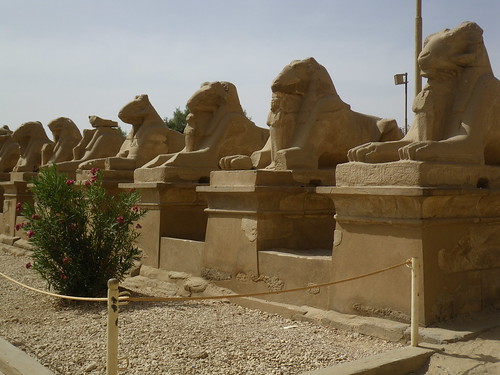
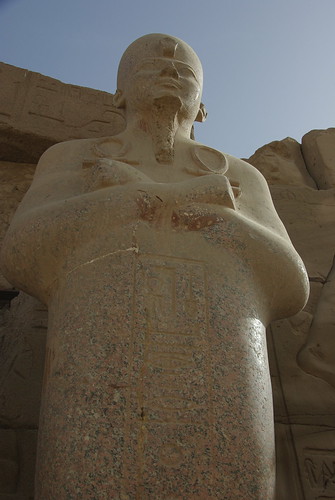
Luxor: The ancient city of Thebes in all its glory. This city just bleeds Egyptian history from the impressive Luxor Temple right downtown to the incredible Karnak temple that even played a role in a James Bond flick. Just outside of town are the valleys of the Kings and Queens (home to some rather impressive tombs and more tourists Disney) as well as more temples than you can shake a stick at. The options abound and you could feel quite satisfied after only a couple of days, but even if you spent a full week you probably couldn’t see everything. Lodging options abound, as to tour packages so be careful when booking.
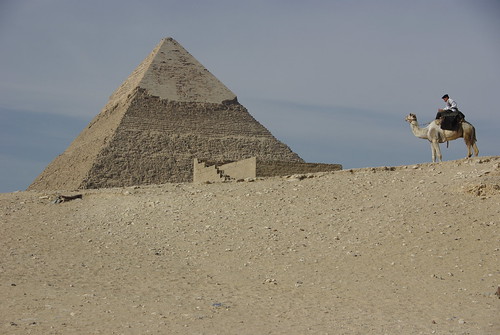
Cairo: A big and bustling city but you probably came here for more than just the shwarma… you came here for the Pyramids and the Egypt Museum. Unless you are the first in line at the pyramids there isn’t much reason to getting up early as they will be packed from 8am on till closing. We have been told the extra money one must pay to enter the pyramid’s is not worth it so if you are considering this, do think twice. The Egypt Museum is rather impressive to look through but if you’re the type who likes organization and the ability to learn something you will either need to hire a guide or be prepared to be disappointed.

Sinai: Dahab and Sharm el Shek are the two main attractions on the coast. Both offering all you could ever want in the form of beach and underwater excitement with some of the best diving available on the planet. The difference between the two is that Sharm is where the nice hotels are and Dahab is where the backpackers go. Tours to Mt Sinai can be booked from either location but for our money it is better to base yourself in St. Catherine’s and climb Mt. Sinai by day rather than to take the package trip and climb by night…cheaper as well. There is also a ferry service across the Red Sea but we were told that the bus through the canal zone is actually faster, more reliable, and cheaper.

Onward Travel:

Israel: The only land border open to US citizen and most others without prearranged visas, this is straight forward but can be nerve wracking if you have any other Arab visas in your passport.

Jordan: The ferry to Acaba is straight forward if not always running late. Be prepared to spend the day dealing with this two hour crossing. If you want to get to Petra the same day you should prepare to put a group together while on the ferry to share a private tax.

Sudan: The Aswan ferry to Sudan runs a bit more according to schedule but it is long and uncomfortable. Choose a spot on the port deck (Northbound) if planning to sleep outside so that the morning sun doesn’t hit you dead on.
<a href=”http://www.dpbolvw.net/p670lnwtnvAEHIGIDHACBFIEFHE” target=”_blank” onmouseover=”window.status=’http://www.statravel.com’;return true;” onmouseout=”window.status=’ ‘;return true;”>Student Discount Cards from $22</a><img src=”http://www.ftjcfx.com/h3108uuymsqBFIJHJEIBDCGJFGIF” width=”1″ height=”1″ border=”0″/>

Filed Under: Africa, Egypt, Featured, Guides, Middle East, Travel & Planning Tagged With: countryguide, isic, tours

Report Card: Budget for Africa

June 21, 2010 By Danny

Africa was shockingly expensive. We expected that the touristy activities would be expensive but we underestimated the degree to this expense. True, eating in Africa can be cheap, lodging too, but that’s about where the cheapness ends.  We definitely could have spent less here, but we wanted to do the “big” Africa things: safari, Kilimanjaro, mountain gorillas.

IMGP3300A reminder of how all this works. Every dollar amount represents how much the two of us, combined, spent on the average day in a given country. Airfare to and from the continent (very expensive to get to Africa) is included in transportation in the totals line and aren’t applied to any specific country. As always, visa fees are included in miscellaneous. For more information visit our spending page.

A couple of generalizations about Africa before we go into detail about each country. Most people in Africa do not travel long distances, that means transportation exists only for people of means and people with money. In most cases the buses we paid for in Africa cost more money than their counterparts in Latin America but were less comfortable, more crowded, and more commonly broken down. The roads were awful meaning more trips to go shorter distances and very few routes had service available at night. Then the expensive fees (Park entrances mostly; to see wild game and hike Kilimanjaro for example) are extremely high….These fees basically annihilated any sense of “budget” we had for Tanzania and Uganda. Visas also add up, we spent $645 each in visas.

IMGP7805South Africa: We rented a car and took that through the entire country, Swaziland, Lesotho, and even Namibia. Having a car did increase our transportation costs but seeing as we traveled 12,000 kilometers (7,500 miles) I still think the expensive car worked out to be far cheaper than public transportation would have worked out to be. Additionally the backpacker friendly Bazz-Bus would have been even more expensive and greatly restricted where we could go. Having a car also allowed us to carry a tent and our own food, drastically reducing our lodging and food costs. Even still this was not a cheap country and prices felt very similar to prices back in the US. Internet was also expensive but the presence of a domestic middle class who enjoys their own national parks just as much as the foreigners means that those parks, and all our activities are that much cheaper.

IMGP3541Mozambique: We went here for one reason….to hide from the hoards of X-mas while soaking up rays of sunshine on a nice beach. We went there, stayed put, and even managed to hitch a ride back with some South African’s we met while there. Scuba diving did us in on the overall budget but most everything else was pricey on account of our location on a tourist beach. The expensive visas to enter didn’t help the budget either.

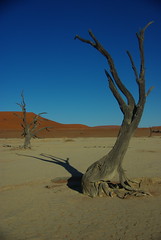
IMGP8855Namibia: Namibia was expensive because we spent the better part of every day in the car, driving and burning gasoline, and then sleeping in National Parks. On one park, Etosha, camping with our own tent cost about $55….quite absurd by our standards. This was an extremely expensive country to travel in with huge fees at the attraction you’ve already driven hundreds of miles to see. Even still, having our own car saved money and our little 2 wheel drive car handled the dirt and shale roads without a problem.

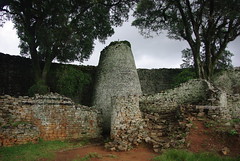
IMGP9845Zimbabwe: We managed to Couchsurf here in two of the four places we visited, joining our host and friends for a trip to Great Zimbabwe and traveling to Victoria Falls on our own. Traveling and staying with CSers helped our budget out immensely, especially with lodging. https://ishouldlogoff.wpengine.com/wp-admin/plugin-install.phpTransportation was still high where it was on our own, quite high actually, but it was quick and efficient when the police weren’t looking for bribes. Fees at Victoria Falls were significant but not awful. Our largest expense here was the purchase and shipment of beautiful soapstone artwork that was pulverized before reaching the US. 🙁

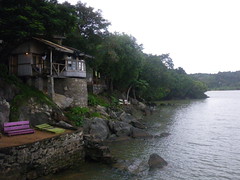
IMGP4188Malawi: Super cheap country and the only expensive thing here was the Scuba we did in the crystal clear waters of Lake Malawi.  We had a great time here and really enjoyed the chance to relax a bit. The reason miscellaneous is high is that we had to cross through Mozambique to get to Malawi from Zimbabwe and needed to purchase new visas; we applied those fees to Malawi rather than Mozambique.

IMGP0297Tanzania: Everything here is low except for activities. While on Safari and while climbing Kilimanjaro 100% of our food, lodging and transportation were covered in the overall fee for these activities. The true cost driver of these things were the park entrances (about $700 each just to climb the mountain in fees) so they throw our averages off a good bit. If we ignore the $100 visa fees and these activities we are closer to $90 per day, still high but in line with the rest of Africa.

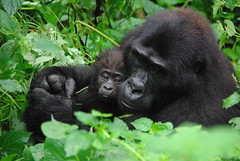
IMGP0498Uganda:  Seeing the Mountain Gorillas is an expensive activity, period. (At least the gorilla pictures and videos are cool)You have to pay $500 per person just to see them and then because you have to book that permit with an agency you need to either pay their fees on top of that or buy their transportation package…due to a series of events we ultimately had to do both of those things. The rest of the country is super cheap though, one of the cheapest places we’ve been to and still a pleasure to travel in. Bummer that the waters of the White Nile are due to be dammed and there won’t be any more Ugandan whitewater in the future.

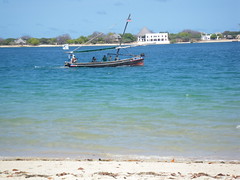
IMGP4472Kenya: Things could have been cheaper here but trying to keep to a schedule, treating ourselves nicely on the island of Lamu, and taking advantage of the presence of my cousin who could fly home from Nairobi with gobs of souvenirs led to us spending far more than necessary. There really isn’t anything wrong with any of that though… At least the corruption makes for a nice travel story.

IMGP1192Ethiopia: This is a very poor and a very cheap country. There is a reason it features prominently in hunger porn commercials and South Park jokes. We treated ourselves nicely while staying in Addis Ababa and even still this was our cheapest country of the entire trip thus far. Traveling in the backseat of an overland car rather than paying for buses probably contributed a bit to low transportation costs but not as much as moving slowly and relaxing a bit while waiting for visas to be processed.

IMGP2679Sudan: This is a cheap country, cheaper to travel here than in Ethiopia. We spent ten days and spent $88/day, that means $880 for the whole ten days. Five-hundred of that was paid to the government for visa fees and foreign alien registration. That means it really cost us about $38/day for two people. Everything was very cheap and Sudan had the cheapest gasoline we’d seen anywhere until we entered Egypt. A very filling meal could be had for two for less than one dollar but that didn’t stop us for cooking for ourselves when we were bush-camping in the desert.  Traveling with over-landers allowed us to do this and this country would have been a good deal more difficult without our friends in Kaspuur, the landy from London.

IMGP4915Egypt: We expected mass tourism and we absolutely found it here but were quite surprised at how budget friendly Egypt was. The sites were not outrageously priced to begin with but then we were given a 50% discount on pretty much everything thanks to our ISIC cards. Comfortable lodging was cheap, private, and generally included breakfast. Had we taken the train from Luxor to Cairo this would have been more expensive than driving but it would have saved two days of travel, one night of lodging, and a very annoying police escort.  There is a lot to do in Egypt and truly something for everyone and ever budget. Seeing the pyramids and then climbing Mt. Sinai were absolute highlights. We passed on the beaches and diving of Dahab because we really didn’t feel like beach time.

Jordan: This isn’t really Africa but we’ve grouped it in here as part of the ‘Levant.’ It was an expensive place and we made it worse by paying for expensive transport to save a couple of days getting between the border and Petra. Additionally, the boat to Jordan from Egypt was not a cheap excursion. This was our 29th country and the first where a unit of currency was worth more than one US dollar.

Israel: Just like Jordan, this is a super expensive place and really is not backpacker friendly. We spent 100% of our time visiting with friends and staying with them as well so our price figures really aren’t worthwhile to anyone traveling there independently. If you do plan to travel here with a backpack be prepared to pay prices that would be considered average to high in Western Europe or the USA.

Filed Under: Africa, Featured, Guides, Headline, Travel & Planning Tagged With: budgeting, money, spending

Stop Hunger Porn #1: Stop Donating

May 26, 2010 By Danny

Recently, somewhere in America, a politician was forced to backtrack from comments he made comparing people on welfare to wild animals. The problem, he said, was that if you feed them, they would breed. Although his comments were crass, there was an underlying message that he failed to pass on when uttered that awful metaphor…handouts create dependence, dependence is bad.

We have been to some of the poorest countries in the entire world on this trip: Guatemala, Bolivia, and of course the ‘South Park’ favorite of Ethiopia. Throughout these countries we’ve seen, in living color, the people who sometimes grace your televisions in “hunger porn” commercials where some international aid agency is trying to get you to send money to support a child or a community.

When food and money enter a community from a foreign source, it can take away the people’s need to work and support themselves and places that ability in the hands of The West. We have seen people so dependent (not everyone, but many nonetheless) on this aid that they no longer work, find food themselves, or otherwise put ‘effort’ into life.

There are countless stories of how “sponsor a child” programs have destroyed communities because one child is chosen for new books and not another. We’ve seen many children kept out of school so that they can beg, as this is more profitable in the short term. Giving out sweets is a problem because if it is done by many people, eventually the child recipient might have no teeth since we’re not giving out toothpaste as well. School supplies are probably the best option, so long as they are given to a school or community to be distributed equitably to all rather than used to stock an individual’s hoard. In one town we visited the known scam for children was to ask foreigners to buy them a book directly from the shop, once the tourist left the child simply returns the book for cash.

If I sound like I’m standing on a soapbox, it’s because I feel a need to vent. Throughout Africa we’ve been witness to UNICEF camps, OXFAM caravans, and USAID food vats. We’ve watched as aid workers come to Africa, drive around in 4×4’s, and leave the place no better than they found it…staying only at the fanciest hotels in town or in a specialized camp with more security than Baghdad’s Green Zone. And if you think at least USAID food aid serves to help feed people, you’d be surprised that the people it helps most is the American farmer. The US Government buys this food, from our farmers to support them, pays to ship it over seas, gives it away for free, all for it to be bought and sold on the local market at market prices. Generally we see USAID food in shops and stores available for sale.

The next time you see hunger porn on the television remember that the business of aid is just that, a business. The goal is certainly altruistic, don’t get me wrong, but the practice can be anything but. There is a right way to help and a wrong way to help. One friend of ours shared a story of how she was told by one of these officials that, with luck, this organization would have enough funding to be involved in Africa indefinitely. This official was then surprised at the response of shock and dismay she received when the group she was addressing pointed out that if the goal is to supply handouts indefinitely then clearly the organization wasn’t helping anyone but themselves….

This is part one of a two part post. I don’t believe that these problems are without solutions and that we, as “rich” people cannot help in someway; but I do believe there is a right way and a wrong way. Give a man a fish and he eats for a day, teach a man to fish and he eats for life.

Filed Under: Africa, Featured, Headline, Travel Reflections Tagged With: development, international aid, poverty, travel

Country Guide: Argentina

May 5, 2010 By Danny

IMGP2855Argentina is a huge country with a plethora of things to do. Buenos Aires itself offers everything you might expect from a large, European city and serves as a wonderful gateway to the rest of the country. Iguazu Falls and the surrounding rainforests in the north, desert canyons in the northwest, wine in the center and the glaciers of the south ensure that there is something for all tastes. The fact that the Andes run the entire length of the country just adds to the splendor.

ESSENTIALS:

Budget: Argentina represents an incredible compromise between modern comforts and 3rd world pricing. One traveler described it as a 1st world country with 3rd world prices and although I don’t think that’s quite the case, some wealthy travelers may feel that way. Other places in South America (everything but Brazil and Chile) are much cheaper than Argentina but lack its charm and comfort. Truthfully I think there is something here for every budget, from $9/night dorm beds to $900 luxury hotels. ATMs are plentiful and changing money should never be a problem. As always, local restaurants are always cheaper than ones geared up for tourism.

Transportation: If you are spending a long time in Argentina you might find that renting a car can be an economical decision. For the two of us we couldn’t make the arithmetic pan out for the month or so we spent there but for a larger group, renting, or more time, buying used, will probably work in your favor.

That being said the bus system here is superb with plenty of comfortable options. Regular coach buses don’t exist, the worst you’ll be likely to find is semi-cama service which is like a standard coach but with more leg room and comfortable leg/foot rests. Cama is similar but with larger seat, only three to a row and then there is the executive/deluxe service which is comparable flying first class on an international airline. All classes generally include food and there is a 50% chance of the Hollywood movie being shown in English rather than Spanish. When covering large distances traveling by night may be your only option…so relax and enjoy the experience.

Planning: The seasons should play into your plan. If you are visiting in the winter months (May-Aug) then Patagonia and the far south are probably out of the question. A loop of the country can be done quite simply but be sure to allot plenty of time.

Buenos Aires: There is a lot to do here if your interested. Weekend markets abound and all are very close to one of the two main ice cream parlors. Museums, tango, nice meals, and historical hot spots are literally all over the place. If you’re in for the tourist thing, be sure to check out Florida Street, otherwise just spend some time mozying around and see what you find. Note that if flying into Buenos Aires there are two airports, one for international flights and one for domestic flights.

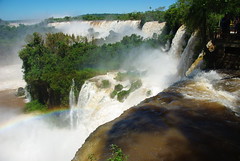
IMGP4999Igauzu Falls: Truly magnificent. Especially magnificent when the water is high and you can’t see everything. If the water is low, you can walk out across the water, which itself is a cool experience. If you don’t feel like walking into Brazil for the opposite view, don’t worry, everyone we met agreed that Argentina had the better view. Getting there might be a good reason to use an airplane but if going by bus Resitencia and the Chaco National Park can make a nice stopping point if coming or going to Salta in the northwest or even Buenos Aires and Cordoba.

IMGP5268North West: This land is beautiful. Go for a hike in the canyonlands of Juijui, go for a bike tour of the wine-lands of Cafayate, eat empenadas in Salta, or hit the river for some whitewater. Whatever you choose Salta is likely going to be your starting point for exploration in the area. Bus transportation to some of these smaller destinations can be difficult so if your short on time consider booking a Salta based tour or renting a car locally for a few days. This makes an excellent region for multi-day cycling but be sure to bring lots of sunscreen and water.

Cordoba: The best example of a Spanish colonial town, full of charm and history, in all of Argentina. Also the home of Che Guevarra. We decided to skip as we’d had our fill of colonial architecture already but if you’re looking for more this is the best place to go.

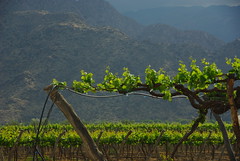
IMGP3004Mendoza: This wine producing region is a must see for many people, but I beg to differ. You can have a lot of fun riding around on a bicycle here sampling the wine but you might be surprised to note that a taste will often cost you 3 times what you’d pay for the bottle in the store not to mention the wines along the bike route aren’t exactly known for their excellence. That being said, you can have a lot of fun doing this if you’re with the right group of people and have the right attitude. There is also some class II-III whitewater in the area, but be sure to inquire about the river levels as they were a bit low when we were there.

San Juan: This is the jumping off point for tours to see Ischigualasto which features several interesting rock formations. This might be a must see if you’re a student of geology but if you aren’t you may find that the effort and money spent getting to the park may make the trip not worth it. You will be able to book tours from both San Juan and the park’s gateway towns but San Juan will charge you more in the end.

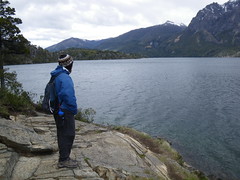
IMGP3134The Lake District: Bariloche is your main option here, filled with chocolate and coffee shops be prepared to enjoy this little taste of European dessert alongside the more traditional alfajore. The town is great place to practice kite-surfing or windsurfing on the lake, go for a day or multi-day hike, hit the trails with a nice mountain bike, or just take in the scenery. This is a paradise for the outdoor enthusiast and in the winter it is even a ski town. Prices here can run a bit high but deals can be had if you shop around a bit. San Martin is probably your other option and is generally considered to be an upmarket, and less crowded alternative.

IMGP6020

Patagonia: There is a reason a clothing company calls themselves Patagonia…this is a foreboding, windswept, uninviting place. The trip south from Bariloche to the southern end of the continent is a long one and there are two ways to do it: go back toward the coast and down along the main road (boring) or with a tour along Ruta 40 through the Andes. If you take the Ruta 40 option you will cross into Chile in a few places and you will see beautiful scenery but don’t be fooled, most of your time will be spent in the car. These trips do not begin until mid-November and usually run until around March.

IMGP3134El Calafate: The reason to go here is to visit the Perito Moreno Glacier and possibly El Chaten as well. El Calafate is a tourist town and only is open in the summertime. Once in town it is simple to arrange for a tour to the glacier but if you are with a group of 4 or more people you can save a few dollars on entrance by taking a taxi or a car rental into the park before the gate is open. The glacier itself is rather impressive and if this is your only sighting of one you will probably enjoy the boat ride to get closer as well. Adventure treks on the glacier are available as well but can be costly. Be advised that one trekker said it felt as though they were just walking on snow. You can also fly between Calafate and Bariloche with several airlines for about double the price of two days spent in the bus going via the coast and Rio Gallegos. It is very simple affair to hop on a bus here in Calafate for the ride to the Chillean Tierra del Fuego

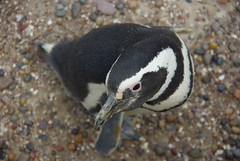
Ushuaia: If you’re looking to go to Ushuaia its likely for one of two reasons: bragging rights or a cruise to Antarctica. Either way you won’t find much there besides a place to have your passport stamped with the words fin del mundo but save your money on Penguin viewing for Punta Tombo near Peninsula Valdez.

IMGP6384Peninsula Valdez: This is the oceanographer’s dream. Guaranteed sightings of the Southern Right Whale, beautiful scenery filled with elephant seals and sea lions, and the chance to see an Orca Whale swim up on the beach as part of a wave and snatch one up for the kill. Take a day to head down to Punta Tombo for more penguins walking around you than you would have ever thought possible.

Filed Under: Argentina, Featured, Guides, South America, Travel & Planning Tagged With: countryguide, patagonia, travel

Guide: The African Safari (DIY)

April 18, 2010 By Danny

There are two main types of safaris, the do-it-yourself and the guided safari. The plethora of options with guided safaris are simply too numerous to discuss here so we’ll just list a few basic points you’ll want to think about before you put down your deposit. Continue reading though for the do it yourself (DIY) options as these abound as well and can often be far more enjoyable.

A few things are good to remember whichever you choose however. First is that only 2-4 days of a safari is necessary. Anything beyond that and you will likely develop “cabin fever” inside the car and simply not appreciate where you are and what you’re doing. Second is to only go out in the car when the animals are out. Usually this means going out for early morning and late evening drives. Driving around in the middle of the day, when most animals are hiding from the sun in the shade of trees, is generally a waste of gasoline. Remember to think like an animal and drive to where the water is, and enjoy. The time of year is also significant as rains not only bring tall grass (making game viewing difficult) but also bring lots of young animals.

Guided Safari’s

Every game park on the African continent will have some local business running safaris in and out. Some will set up your tents for you while others will introduce you to some of the finest luxuries imaginable. The basic premise though is the same, drive around and look for animals. Some private game reserves will radio collar the animals, guaranteeing game sightings of even the rarest of animals. Most though will drive around, and look and see what they can find. The biggest differences amongst these will be the accommodation and food supplied so be sure to shop around.

If you specifically want to do a guided safari then you should look to either a private game reserve in South Africa, or the parks of Tanzania (Serengeti or Ngorongoro) or Botswana. There are plenty of others to choose from if you are interested in a more “bush” experience but these locations represent the best combination of infrastructure and wildlife. Just about any park outside of South Africa however, will be very difficult to do on your own. Paying for a guided tour of a national park (such as Kruger) in South Africa may be a giant waste of money as you can just as easily, and much more economically, do these parks 100% on your own. Of course, if you are a solo traveler you might enjoy the company of a guided tour, but certainly groups or couples can save a significant amount of money on their own.

Do It Yourself (DIY) Safari

There are a few very simple steps to this one, it is surprisingly easy to do and arrange and you will likely enjoy having control of when you go where.

1.Go to South Africa. With the exception of Etosha National Park in Namibia (in the far north) most places you’ll be able to drive yourself for safari are in South Africa. A good guidebook will usually include a wildlife section that will be sufficient but if this is your big African trip better spring for a book dedicated to African wildlife.

2. Rent a car. If its summertime (remember this is the southern hemisphere) be sure to pay for air conditioning. Also be sure the car is comfortable as you’ll be spending a lot of time inside. A four wheel drive vehicle isn’t really necessary but being higher off the ground is a big plus when the grass is tall.

3.Choose a park, maybe buy a national park pass. The wild card pass program from the South African Parks represents great value if you are going to do a lot of game viewing. If just going for a short trip you’ll probably be fine without it. Check our our guide to South Africa for help in choosing which park is best for you. The pass is also good at all national parks in South Africa as well as several parks in Swaziland.

4.Get up early for morning drives. Spend the middle of the day at the pool with some meat on the grill or braai. Go out for evening drives and pay for the occasional ranger led evening or night drive.

5.Some parks to consider:

Kruger. The largest park of all. Very easy to do on your own with plenty of options. Most of the wildlife is at the southern end of the park so it is generally best to base yourself there. If looking for a change of pace while in the park head up to the Oliphants for stunning views and a mountain bike trip through the bush. With this park you should realize though that this is South Africa’s premier park and for that reason draws crowds in far larger numbers than many of the other, smaller parks. Wildlife spotting here tends to be based on stopping where 5 or 6 other cars have already stopped. Nonetheless, every animal you could want to see is on display here, and in growing numbers as well. Just be sure to mind the elephants!

Hluhluwe—Imfolozi: Not as well traveled as Kruger but still easily reached from both Johannesburg and Durban this park is most known for the white rhino, who owes its survival as a species to the work this park has done over the last 100 years. In addition to the rhino the entire Big 5 is on display here and with far fewer crowds than Kruger. The big bummer here is that there is no camping inside the park but the fact that its located near the St. Lucia wetlands helps to make up for this.

Kgalagadi Transfrontier Park: This park is our absolute favorite. A royal pain in the butt to get to but well worth it if your up for some serious game viewing. You can still visit this park in a 2 drive vehicle but a 4×4 is advised as no roads are paved and several are quite bad. This park is specifically known for its cats and we more lions than we could shake a stick at…not to mention the elusive cheetah as well. Its location in the north, wedged between Namibia and Botswana (you can cross into each country from within the park) makes for a small population of professional game viewers and photographers, and not too many other people at all.

Addo Elephant National Park: If you want to see lots of elephants come here. Plenty of other animals on display as well. I’d recommend driving to a good watering hole (ask around when you’re close or in the park) and just park your car and sit and let the animals come to you. Just be sure to give the elephants the right of way!

Namibia: The main game viewing here will be at Etosha National Park in the far north. The park itself can be quite spectacular but the drive to get there can be too much depending upon your tastes. For more information on Namibia consult our adventure guide.

Botswana: This can be done on your own but be prepared for large periods of time without seeing another human being. A 4×4 is a must and you need to be very prepared not only for the long journey but also for very expensive park and camping fees. For these reasons we decided to skip Botswana and to possibly return on a guided trip to the Okavango Delta someday.

The Rest: There are plenty of parks throughout Southern Africa. The best advice is to choose a path to follow and visit the parks along that path. If you’ve seen all of the big 5 in one park it might not make sense to go and search out others. Use your judgment and remember to enjoy the experience.

Filed Under: Africa, Featured, Guides, Travel & Planning Tagged With: safari, tours, travel

  • « Previous Page
  • 1
  • 2
  • 3
  • 4
  • 5
  • 6
  • …
  • 10
  • Next Page »

Connect With Us

  • Email
  • Facebook
  • Flickr
  • Pinterest
  • RSS
  • Twitter

Featured Posts

Our Bucket List
How We Travel For Free
$ Travel Tips

Recent Comments

  • Barbara on Kayaking Kauai’s Na Pali Coast
  • Lori Hubbard on Review: Eneloop Batteries and Charger
  • TK on The Trouble with Philadelphia

Banking on the Road

It can be very hard to keep track of your finances while you're on the road long-term. Be sure to check out how we took care of our finances while traveling and feel free to email us any questions you have.

Adventure Guides

Torres Del Paine
China Adventure
Uzbekistan Overland
Egyptian Odyssey
Malaria
Argentina Adventure
DIY African Safari
South Africa Guide
Bolivia by Bus
How-To African Visas

[footer_backtotop]

Copyright 2008-2015 · All Rights Reserved · Contact I Should Log Off · RSS · Partner With Us · Privacy